Blog

Three times failed hernia surgery gets a new life


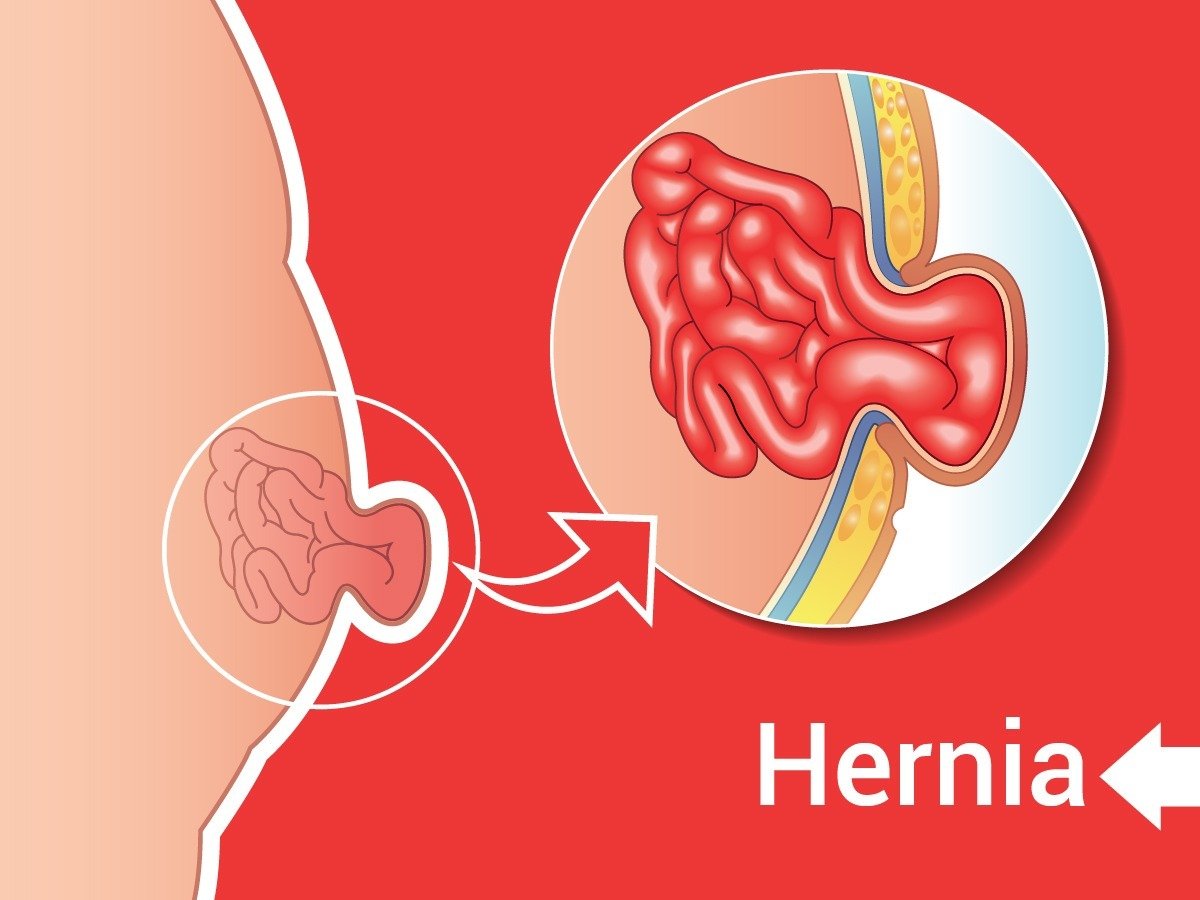
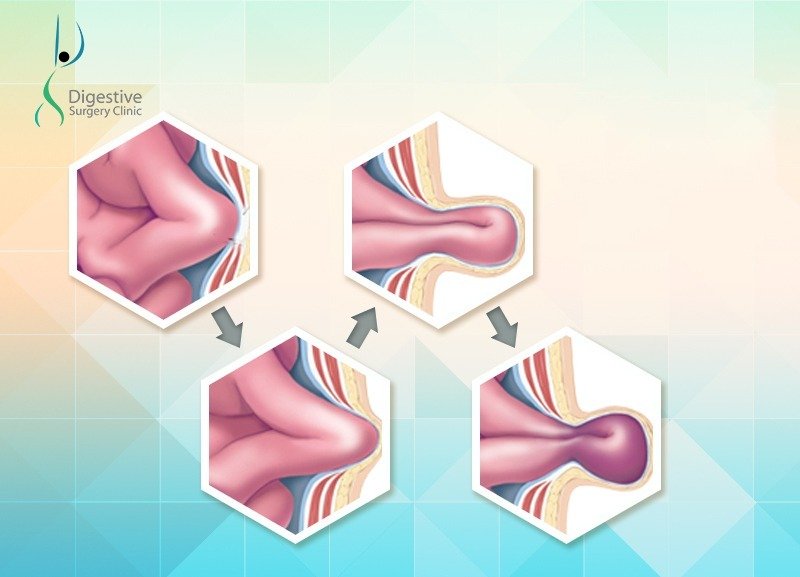
Mrs Swati (name changed), 45 years old woman had already been operated three times for her hernia. Despite that, she was suffering from it again leaving her with a large ugly bulge with scars that aggravated on standing. She had to wear a belt to hide it and could not wear saris too.  She had to give up on her dancing that she was fond of. Her doctor told her that the hernia contained foodpipe that could turn dangerous anytime. Also, she had gaineda lot of weight as she gave up dancing. Her doctor explained that she should lose weight before getting the surgery done. She was scared of operations, having undergone three times earlier. She was also disgusted with the ugliness of the scars because of the previous operations. She wanted a comfortable and reliable solution to her problem.

She visited us with this request two years back and consulted us for her sorry condition. We understood her plight. A detailed evaluation of her condition was done and cause of failure of previous operations ascertained.

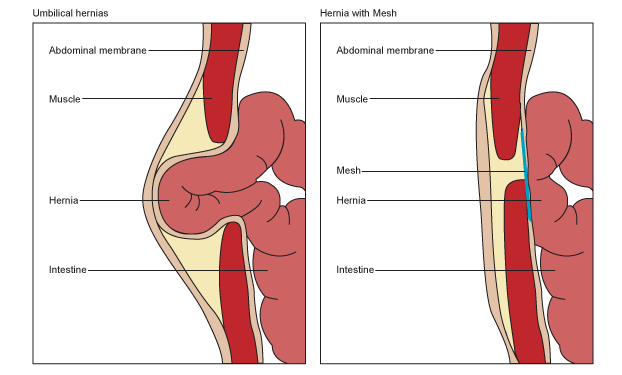
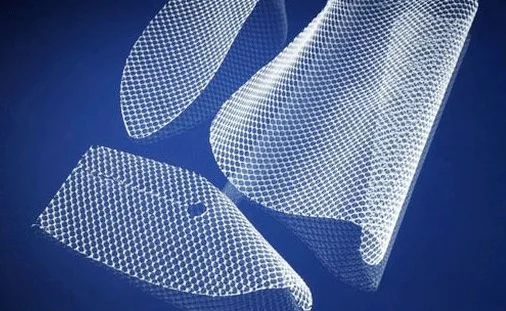
It was found that the first two surgeries were done without a mesh (an artificial sheet that bridges the defect without causing harm to the body). The mesh is now known to be an essential method to reduce failures from hernia surgery. The third surgery was done by traditional approach and a defect was missed. The patient’s excess weight along with the above mentioned factorswere responsible for the failure of the surgery.

We explained to her that we would need to reduce her weight first by diet. Then we would go for laparoscopic surgery during which we would look for all the defects from inside and cover it with the largest possible mesh from underneath. This should her chances of failure. The part that she liked the most was that in the laparoscopic procedure, there would befewer scars, less pain and less chances of would infections.

We also gave her the options of various modern meshes and fixation devices available for hernias. The modern meshes would be softer and more pliable that would give her more comfort. The newer fixation devices would get absorbed in her body with time adding to the comfort.

She agreed to the plan, lost some weight and got operated two years back. Her large bulge at the lower belly due to the hernia is now all gone. She has taken up dancing once again that she used to love.

It is distressful for the patients with hernia when their surgery fails. Patients should know their options of hernia surgery and the types of modern mesh that are available before submitting themselves for surgery. Hernia patients who are obese should get their weight reduced ideally before taking the surgery. All this should reduce the failures in Hernia surgery.


Bleeding, pain and prolapse on passing stool? Do not neglect

No. Although most of the symptoms of bleed and pain during defecation are due to piles and fissure, sometimes it may be due to more dangerous diseases such cancers, polyps and ulcerative colitis. Consult a doctor before assuming a simpler disease.


I have anal fistula. I have taken various medicines prescribed by alternative medical practitioners but it has not healed. I am scared of surgery since I have heard it is painful and fails most often.


Anal fistulas can be cure

Is all pain and bleeding in stools due to piles and fissure?

only by surgery. So don’t waste time and money on pills and creams. The fistula surgery has improved in recent times due to better MRI scans, techniques like VAAFT, LIFT, Seton and Plug for complex cases. Most cases can be sent home after a single day hospital stay with minimal pain and wound. The failure rate for a simple fistula is rare and 15% for complex fistulas. Also in traditional surgery there is a chance of damage to anal muscle that can lead to inability to hold stool. This is least likely in modern surgery.


I am suffering from piles since last 2 years and I have taken various alternative medicines but if I stop taking these, the problem starts within 2-3 days. How long do I have to take this?  Do I need surgery?

Most alternative medicines have no scientific basis or evidence. On the basis of scientific evidence, if you have smaller piles (grades one or two) they need injection or banding treatment.If you have grade three or grade four piles, you need surgery. Surgery can be open or stapler. I recommend stapler since the discomfort is less, and if I needed surgery I would (having done both types of operation extensively) choose staplers any time.


What is the modern treatment for rectal prolapse (the popping out of rectum on defecation) and colorectal cancers?

Nowadays rectal prolapse and colorectal cancers can be treated by laparoscopic surgery without the need for cutting the abdomen. This means less pain, less wound and a hospital stay of 2-3 days only.


Bariatric Surgery can help the Obese Infertile


Infertility in females is a growing problem.  Statistics show that one in six couples are infertile. Forty percent of the problem lies in the females. One of the major influence or contributor to this problem is obesity.  If you look around or visit a fertility center, one would know that many of the patients are overweight or obese. It comes as no surprise as obesity is now fast becoming the number one problem in the world.

So why is obesity so important in fertility? 

Body fat is nowadays considered an endocrine organ responsible for producing various hormones. Some of these hormones work like birth control pills.  Hence the eggs production and release are impaired and results in infertility. This phenomenon is also seen in a condition called PCOD (polycystic ovarian disease), a major cause of infertility.

Another important and interesting observation seen in obese individuals is that some of the severely obese individuals are unable to perform a normal sexual act because of the sea of fat whichhides the external genitalia.

It is also evident from medical research that assisted reproduction (fertility treatment) is less likely to succeed in obese individuals.

So how does one help these infertile ladies with obesity?

Since obesity is the root cause of such infertility, it would be natural to consider that weight loss would logically improve the chances of fertility in these subjects. As a matter of fact this does happen in clinical practice. Medical literatures and researches are showing that weight loss is associated with improved chances of fertility either naturally or by assisted reproduction.

What is the role of Bariatric Surgery in infertility?

Weight loss achieved either by adoption of diet and lifestyle or by weight loss surgery (Bariatric Surgery) in cases of severe obesity have both shown favorable outcome. A new study of morbidly obese women suggests that Bariatric surgery may effectively treat one of the most common causes of infertility i.e. PCOD. It is noted that 50% of infertile women conceived within 2 years of their Bariatric surgery. Even the increased risk of miscarriage in obese women may decline after Bariatric surgery. Additionally, the risks of complications during pregnancy such as diabetes, hypertension are also diminished.

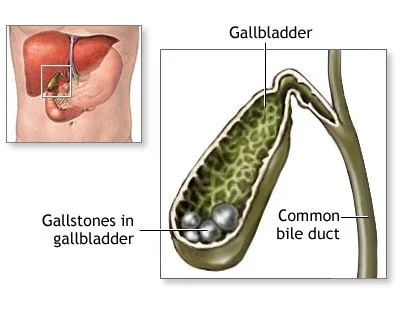
What is new in surgery for Gallstones ?


Can gallstones be managed on medicines (without surgery)?


In certain situations, some patients with asymptomatic gallstones can be managed by “wait and watch” policy. Some studies suggest that the patient’s age at diagnosis may be a factor in this decision. The probabilityof symptoms and future surgery at the age of 70 is 15%. Hence the 85% of patients can be managed by an expectant approach.

A drug called UDCA with modest success can also manage some patients. But do not fall prey to many false claims of gallstone dissolutions by various unscientific methods.


Has gallstone surgery become safer?

Yes. Initially when laparoscopy had started for gall bladder, there were reports of more bile duct injuries. However the recent trends show that with improved technique, the surgery has become safer. In good experienced centers, it has almost become a day-care surgery.

However there is a word of caution. One should not think it is safe in all hands and centers. Do some research before handing your precious body to surgery. Most people are unaware of the factors they need to consider

So, how should we choose?

First, look for a center or surgeon with high volume of laparoscopic surgery. This will ensure a low complication rate.  Experience counts, you know. Although this is nowadays a safe surgery, complications like bile duct injury may have disastrous lifelong consequences.

Second, do some research on the outcome of patients from these centers. Did they have wound infections? A very rare complication after laparoscopic surgery, but may spell hell for the unfortunate few. The worst part is it is because of poor cleaning technique of laparoscopic instruments employed in some centers, something that may be beyond control of the surgeon. And it takes weeks to months to heal. Ask somebody who has had it.

To summarize, if you do need laparoscopic removal of gall bladder, choose not only on the basis of the cost or proximity of a center to your home, but choose on the basis of safety and comfort also. It will not necessarily come at a higher cost. But you need to know where to look. After all, your body is precious. Hand it over to somebody who thinks so too.


Can this surgery now be done by a new method-Scarless Surgery- instead of conventional 4 holes?

Yes, nowadays there is a new and modern technique in which special instruments can be used to leave no marks in the abdomen. The only wound is in the depth of the navel, which is not visible.


What are the advantages of Scarless Surgery?

The major advantage of Scarless Surgery is cosmesis. The reduced pain and a single day hospital stay are added benefits.


Who can benefit maximally from Scarless surgery?

Anyone who is concerned and conscious of not having the scars in the abdomen can have this surgery. This particularly allows women to wear saris where the scars of laparoscopic surgery may show. This is also extremely beneficial to young unmarried girls and people from the fashion industries that do not want any scars in their belly. People who cannot tolerate pain at all can also benefit from this technique. To see the video, how we do it visit my you tube page…….


Bariatric Surgery is expensive. Is it?

I always love to answer this question.  Most severely-obese patients are ready to undergo bariatric surgery (stomach stapling surgery for the severely obese) to lose weight if they are not afraid of the operation. After all, when years of dieting and rigorous exercises do not lead to visible results, who would not want to take the tried and true method of durable weight loss?

After this, the only issue – important to many but not to some affluent and fortunate few- is the cost. In India, bariatric surgery costs anything between 1.5 to 5 lakhs of rupees depending on the procedure, class of accommodation and the type of consumables used. However, when this is compared to the western countries where it may cost ten times more, the cost of bariatric surgery seems reasonable here.

So why is the cost so much?  Well, let us see the break up this cost first. This is a laparoscopic surgery involving sophisticated and expensive instruments- most of which are single-use-and-throw type. Centers, which recycle these instruments, can reduce the cost of the surgery at the risk of inviting more infection. That kind of practice needs to be discouraged. Secondly, the patients undergoing this surgery often have 80 – 200 kg body weight, harboring multiple diseases like diabetes, high blood pressure, heart disease with heart stents at times, breathing problems, and so on. This makes them high-risk candidates for anesthesia requiring high-end monitors and gadgets- which are expensive- to ensure safe outcome. Any compromise here will invite disaster. Safety should, as in all surgeries, be of paramount importance and priority.

Now that we understand that most of the money is being wisely spent on ensuring the  best possible safe outcome, the next question regarding the cost would be “Is the money spent going to be worth it?”

Well, let us analyze this. If someone needing the surgery did not want to spend this money with the intention of saving it, what would happen to his or her money?  In a study by Dr Keating published in Diabetes Care in 2009, researchers have recently realized that obese people spend the same amount of money in two years time on various complications of obesity itself. The examples of such expenditure could be laboratory tests, health check ups, and medical treatment of diabetes, high blood pressure often seen in the obese. Many obese subjects also land up having gallstones, hernias, infertility, heart vessel blocks and permanent joint damage usually in the spine and knees necessitating huge expenditure on their surgical correction. Unfortunately, most patients (and their doctors too!) spend a fortune on these purposes without realizing that a stitch in time could have saved nine. In plain words, bariatric surgery in time could have prevented all these procedures and their associated costs. If we add up these costs it may turn out to be 5 to 10 times the cost of the bariatric surgery itself! To see the bariatric surgery video, how we do it visit my you tube page…….

To wrap up, let us examine what are the benefits of bariatric surgery. When an obese individual loses weight, he or she also loses his diseases such as diabetes and high blood pressure and on the other hand he or she gains confidence. They become more active physically, mentally and also sexually. With the improvement in his health, well being and quality of life, a person will surely get compliments from relatives and friends. It is impossible to translate these benefits into money but if we go by the words of the patients who have benefitted from bariatric surgery, it is sufficient to say that it is definitely worth every penny spent.


Blood in stool, Know the facts


It is interesting to ask ourselves that if the great Napolean did not have piles , would he have won more battles. Although it is difficult to answer this question but it is easy to address the more common queries that laymen have regarding piles. Let us see what science has to say regarding these.


Question 1.

Are all bleeding in stools due to piles?

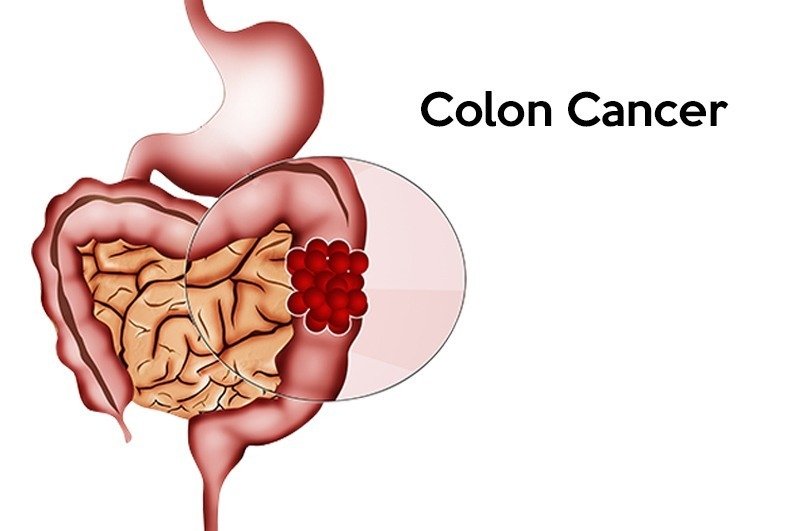
No. Most bleeding in stools are due to piles but there are many other important cases of bleeding. Bleeding in stools can be due to anal fissure, dysentery, cancers, ulcerative colitis, etc.

Question 2.

When should I see a doctor?

If you have been bleeding for two to three times in a year and it is painlessthen you may not see a doctor. However if you bleed more, it is painful, there is associated alteration of bowel habits, stools are not yellow or if stool is mixed with blood then you definitely need to see a doctor. These symptoms mean that one may be harboring a bad disease requiring urgent attention. Colonoscopy (examination of the foodpipe through anus) would be mandatory in these cases. Many people deny themselves this test because they feel it is indignified. This is a grave mistake and must be avoided.


Question 3.

Would piles always require surgery?

It is possible to manage piles medically in most patients. Only in some cases when the bleeding is excessive, piles become painful, and the anus starts coming out (prolapse), it becomes necessary to operate.


Question 4.

Is piles surgery painful?

Traditional surgery for piles results in a painful wound at the anal opening necessitating daily dressings for weeks. This means increased hospital stay and delayed return to normal activities and work. This has become unacceptable in the modern world and leads patients to look for alternative treatments such as magic herbs, ointments, strange diets, etc. Look around and you will see excessive proliferation of these “piles shops” promising immediate cure. The sad part is common people usually fall prey to these false promises. Such unscientific remedies however do not give lasting benefits and leaves the patient frustrated in most instances.

Modern surgery for piles (stapler surgery) is a painless procedure where the patient can go home the same day. The patient can join work the very next day and can return to normal activities immediately.

Question 5.

If my bleeding in stools are due to cancer can I be cured and still pass my stools from my anus?

If the patient reports early, it is possible to cure cancers of foodpipe. It is also possible to preserve anus and do these surgery by laparoscopy in most cases in good centers.

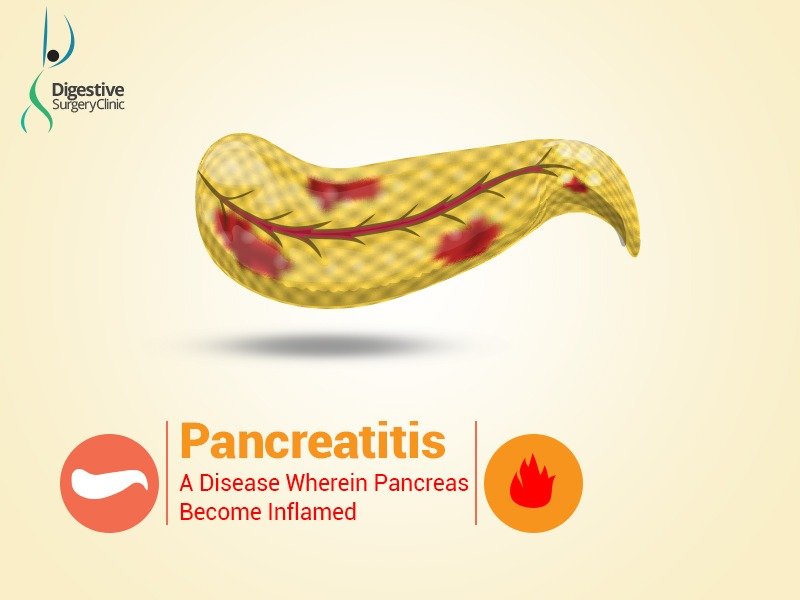
Diseases of the Pancreas- Pancreatitis, Stones and Tumors

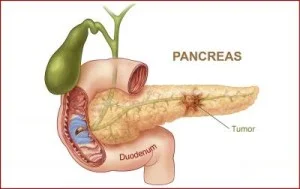
Pancreas is an important organ in the human body responsible for digestive process and production of insulin that maintains normal glucose levels in our body. Diseases in the pancreas therefore lead to indigestion and diabetes.

Since the pancreas has a good nerve supply, its disease presents with pain in upper abdomen and the back. Pancreatic diseases can also present with jaundice when they compress the bile duct.

The following diseases can affect the Pancreas:

  1. Pancreatitis- this disease can happen suddenly or stay in some patients for life. The latter is usually seen in patients consuming alcohol but it may happen without any known cause. When they happen suddenly (sometimes due to gallstone disease or  alcohol ), it may be either a mild disease  recovering in a week or it may have a severe course (where the pancreas undergoes self destruction) needing treatment (drugs and surgery) for weeks and months. In many cases, the patient may not even survive.
  2. Cysts- usually seen in the younger population, a timely  detection  and surgical intervention can completely eradicate the disease.
  3. Tumors/ Cancers- they have  a good outcome only if detected early.
  4. Stones are not uncommon in the pancreas. Many patients can be treated on medical therapy, some require endoscopy and few need surgery.

Although some of the diseases need only monitoring, some require medical, endoscopic or surgical treatment.

Surgery of the Pancreas is not easy. It requires skill, expertise and more importantly, sound judgement. It is important for a                                                                                       common  man to know the following points regarding surgery of the various conditions in the pancreas:

  1. Pancreatic surgery has been made more comfortable by use of laparoscopy in many situations. A Pancreatic pseudocyst and pancreatic stones, for example are good cases for laparoscopic treatment whereby a patient can have minimal pain, no wound complications and can go home within a couple of days.
  2. Whipples procedure- done for tumors/ cysts of pancreatic head- used to be a formidable procedure in the past with significant complication rates. Recently the operation has been made quite safe with improvement in technique and technology.
  3. Sometimes in acute pancreatitis, much of the organ can undergo auto-destruction and get infected. This is life threatening and may need removal (Necrosectomy) from the body for the survival of the patient.  Recently these surgeries can be increasingly performed by endoscopy or laparoscopy in select circumstances. Only experts should perform this surgery under laid down principles for reasonable outcome.

While patients and their relatives get increasingly concerned hearing and reading about pancreatic surgery, the good news is that it is becoming increasingly safer and more comfortable to perform these operations. This is due to technology such as laparoscopy and endoscopy, availability of improved IV nutrition and some antibiotics. Surgical expertise has also increased that has brought down the complication rate drastically.To see the surgical video, how we do it visit my you tube page…….

The only thing the patient needs to do is to recognize his disease early and get treated by the right doctor.

New approaches in the Treatment for Complex Hernias

Sometimes hernia surgery can be frustrating because it can fail and patient comes back with recurrence. The reasons of failure of the surgery could be due to technique, giant defects, previous failed operation, mesh not used, obesity, etc.  In planning for the second surgery in these complex hernias it is important to correct these factors- if possible- before going ahead with another operation.

There will be many procedures to choose from. However it is believed that these complex hernias should be repaired with a mesh- an artificial flat knitted material – if the failure is to be kept low. There has been astounding progress in the field of production of mesh. They are nowadays designed to provide more comfort and flexibility to the patient while keeping the failure rate low.

The second issue is to place the mesh in the right place. It can be placed just beneath the skin or behind the muscle by conventional open technique. Or the mesh can be placed inside the abdomen by Laparoscopic method. It is believed that keeping the mesh deeper inside the body leads to less chances of failure. Hence many surgeons have shifted to putting the mesh inside the abdomen by Laparoscopic method.

Another important issue in hernia is obesity. It has been observed that hernia surgery fails more often in obese patients. It has been advocated that hernia surgery should be performed after weight reduction if failure is to be avoided. This could mean dieting, physical activity or even bariatric surgery- stomach stapling surgery for severe obesity. In a severely obese patient with hernia, bariatric surgery could produce significant weight loss. After a few months when this has been achieved hernia surgery can be done and this approach has been shown to be more successful.

However there are some situations when hernia defects are so big thatconventional or laparoscopic surgery is not possible, even dangerous. A new technique- Component Separation Technique- addresses these issues and is proving to be more successful.

In 1990,Ramirezintroduced the “components separation technique” to bridge the giant hernia defect without the use of prosthetic material. Although initially it was not popular, there is renewed interest in this technique recently to tackle complex hernias. The technique is based on enlargement of the abdominal wall surface by separation and advancement of the muscular layers. In this way, defects of up to 20 cm at the waistline can be bridged. No mesh may be needed in this procedure. This is in contrast to previous beliefs that mesh is vital for the success of hernia repair.

Another modification of this technique is the “sandwich technique”. After the gap is closed in component separation technique, two meshes- one from outside and one from inside- can be placed to strengthen the defect.  This is a novel idea, which is getting further evaluation.

Hernia surgery is evolving and there is huge development in the science of mesh, technique and treatment strategy- all of which aim to decrease the failure rate and provide more comfort to the patient at the same time.

These developments are good news for those patients who have complex hernias. They now have something to cheer about. To view how this is done you can see the video of   Hernias on our you tube page .

VAAFT- Modern Treatment of Anal Fistula- No wound, no dressing, least pain

What is Anal Fistula?

An anal fistula is an abnormal tract between skin and the anus. Stool enters this tract and causes infection leading to discharge of pus from the wound near the anus.

What are low and high Anal Fistulas?

Fistulas are called low and high according to the position of the internal anal opening of the tract. High fistulas open above the anal sphincter- a muscle responsible for controlling defecation. Conventional surgery for high anal fistulas is therefore tricky and may result in injury of the anal sphincter.

What is the treatment of Anal Fistula?

Most patients would need surgery for their cure.

How is conventional surgery for anal fistula done?

Conventional surgery requires removal of the fistula tract leaving a large perianal wound that needs daily dressings for days to weeks. This method can be a potential source of danger since one may inadvertently damage the anal sphincter especially in patients with high anal fistula. Patients also need to take pain killers and antibiotics for many days after this procedure.

How is VAAFT done?

In the new method (known as VAAFT – Video Assisted Anal Fistula Treatment), the fistula tract is treated with a very small endoscope going through it, cleansing it and burning it. A stapler closes the internal opening so that stool cannot enter the tract. The fistula tract heals in most cases over the next few weeks. To view how this is done you can see the video of VAAFT on our you tube page.

What is the advantage of VAAFT?

The most significant advantage of VAAFT is that there is no wound, least pain and there is no risk of damage to anal sphincter muscle- since the surgery is done from inside. Most patients can be sent home on the same day and they can work from the next day. The best part is that it leaves behind no wounds to dress.

In which situations is VAAFT a good option?

Although VAAFT can be done in all cases, it is especially useful in cases with high fistula, complex and recurrent fistulas. The main advantage is that unlike in traditional procedure, there is no risk of injury to anal sphincter in VAAFT


When to consider Surgery for Diabetes?

Good question? Obviously, one is not asking all diabetics to be subjected to surgery. Instead it is proposed as an option for some of them. And that too, for those who are eligible as is ascertained by some tests.Lets start by finding out who needs to look for options other than medicines and insulin for controlling the blood sugar.Well, there may be different scenarios. First, a diabetic well controlled on medicines and lifestyle changes with no evidence of diabetic complications. Would this subject be a good candidate for surgery? An argument might be  why not? After all, surgery offers permanent cure whereas medicines do not. And he or she might get worse with time and develop complications (kidney failure, high blood pressure, heart ailments, eye complications, infections, etc). Then what? Is it not a good idea to offer surgical cure to all eligible?All true, but what if this patient was to have a complication from the surgery? What about the commitments required in terms of follow up after surgery? If a person is doing well with medicines, is it not a good idea to leave him or her alone. Maybe. Sounds fair.Unless, the patient is adequately informed and has decided for himself or herself to undergo surgery for a long lasting freedom of diabetes knowing fully well the risks and consequences of surgery.Well, the argument can continue.Let us examine other scenarios. A young person with lots of productive years left in life having diabetes uncontrolled on pills and insulin. Or, consider a diabetic who is rapidly developing its complications. What about these people? If a cure is possible, is it not right to offer them a choice? Is it not fair to let them have the option of diabetes surgery? Let them decide if they are willing to take the small risk associated with surgery and the necessary follow up. After all, a life free of medicines, insulin and complications is something every diabetic is looking for.There is a lot of evidence from scientific research in recent years that has clearly demonstrated the benefits of bariatric surgery on diabetes. Way back in 1995, Dr Pories shocked the world by reporting that bariatric surgery corrects diabetes within days after surgery much before significant weight loss has taken place. The claim challenged the established conventional belief that diabetes is a chronic non-remitting illness necessitating lifelong treatment with pills and insulin. Subsequent scientific research in this area established the role of small intestine as an important cause of type 2 diabetes. It also demonstrated the role of realignment of intestinal flow done in bariatric surgery as the mechanism for resolution of diabetes.A consensus summit in Rome in 2009 attended by most respected bodies in the world has recommended strongly the use of bariatric surgery for diabetes under stipulated guidelines. In a huge meta-analysis comprising of 135,246 patients by Henry Buchwald et al, 78.1% of diabetic patients showed complete resolution and 86.6% showed improvement.There is an increasing burden of diabetes in the world today. India is unfortunately the place where this disease is going to strike maximally. We, as humans will be better prepared to combat this problem if we incorporate this effective solution as part of diabetes management. After all, surgery is now offering cure for a disease, which was so long considered incurable.’,     To view how this is done you can see the video of   Bariatric surgery on our you tube page .

  • Categories

  • Archives

  • Ask us?

    Your message was successfully sent.
    Thank You!